
As electric vehicles (EVs) continue to take the roads by storm, one essential component that often flies under the radar is the car charging socket. Whether you’re driving a sleek electric sedan or a hybrid SUV, the charging socket is your EV’s gateway to power. In this blog, we’ll break down what a car charging socket is, the types available, and what to consider when using or installing one.
What is a Car Charging Socket?
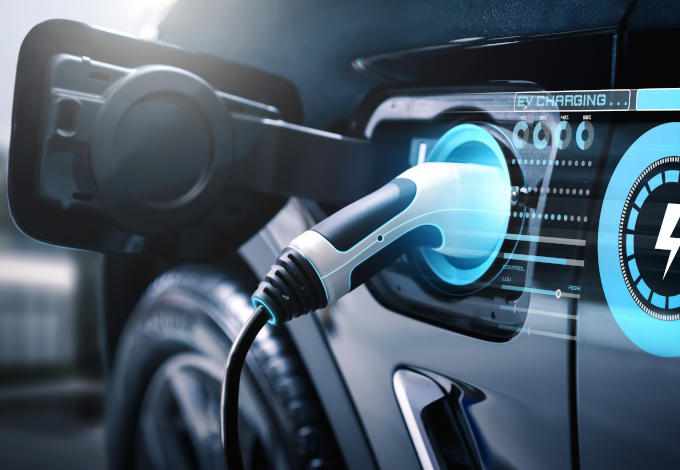
A car charging socket is the port on your electric vehicle that connects to a charger and transfers electricity to the vehicle’s battery. Think of it as the EV equivalent of a fuel tank opening — but instead of petrol or diesel, you’re feeding your car electricity.

Types of Car Charging Sockets
The type of charging socket your car uses depends on the make, model, and region. Here are the most common types:
1. Type 1 (SAE J1772)
Mostly used in North America and some parts of Asia.
Single-phase charging.
Suitable for home and slow public charging.
2. Type 2 (Mennekes)
Common in Europe and now widely adopted globally.
Supports both single-phase and three-phase charging.
Faster charging and used in most public stations.
3. CHAdeMO
A Japanese standard for DC fast charging.
Common in Nissan, Mitsubishi, and some older EVs.
Enables rapid charging — great for quick top-ups.
4. CCS (Combined Charging System)
Combines a Type 2 (or Type 1) socket with two extra pins for DC charging.
Supports both AC and DC charging in one port.
Becoming the global standard due to versatility and speed.
5. Tesla Connector
Proprietary to Tesla vehicles.
Compatible with Tesla Supercharger network.
Tesla owners may use adapters for other socket types.
Key Benefits of the Right Car Charging Socket
✅ Fast and Efficient Charging
With the right socket, your vehicle can charge quicker and more efficiently, saving you valuable time.
✅ Versatility
Modern sockets like CCS allow for both home and rapid public charging.
✅ Safety
Proper sockets offer secure connections with built-in safety features to protect both the car and user.
✅ Compatibility
Understanding your car’s socket type ensures you’re always ready to plug in — whether at home or on a long trip.
Home Charging vs. Public Charging Sockets
Home Charging
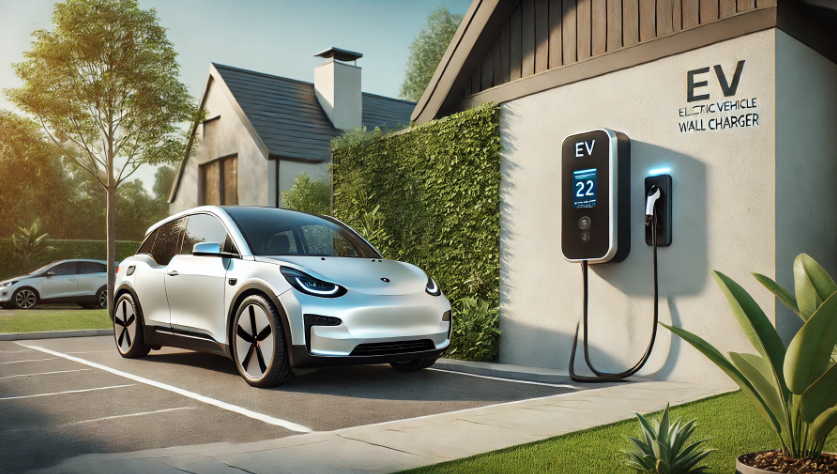
Typically uses a wall-mounted EV charger connected via a Type 2 or Tesla socket.
Offers slower, overnight charging (AC).
Great for daily use and battery health.
Public Charging
Includes a mix of AC and DC stations.
Uses a range of sockets like CCS, CHAdeMO, and Type 2.
Ideal for quick charging while on the go.
Choosing the Right Car Charging Socket or Adapter
If you’re unsure what type of socket your car supports, consult your vehicle manual or manufacturer’s website. You may also need an adapter when using certain public chargers, especially if you drive a Tesla or a Japanese model in Europe.
Tips for EV Drivers
Know your socket type before visiting a charging station.
Carry a universal adapter if you travel frequently.
Use apps to locate compatible charging stations in your area.
Invest in a home charger that matches your socket for maximum convenience.
Final Thoughts
The car charging socket may be small, but it’s a critical part of every EV. Knowing your socket type, charging options, and best practices can make your electric driving experience smoother and stress-free. As the EV landscape continues to evolve, charging sockets are becoming faster, safer, and more standardized — bringing us closer to a greener future on wheels.


Write a comment ...