In the ever-evolving landscape of electric vehicles (EVs), the availability and efficiency of charging infrastructure are crucial factors influencing adoption. As more individuals transition to electric transportation, the demand for reliable and efficient EV chargers continues to rise. With a variety of charging options available, understanding the types of Best EV chargers is essential for both EV owners and charging station operators. Let's delve into the various types of EV chargers and their distinctive features.
Level 1 Chargers:
Level 1 chargers are the most basic type of EV chargers and typically come standard with electric vehicles. They operate on a standard 120-volt household outlet and provide a charging rate of around 2 to 5 miles of range per hour of charging. Level 1 chargers are convenient for overnight charging at home or at workplaces where vehicles remain parked for extended periods. While they offer the slowest charging speeds, they are cost-effective and require no special installation.
Level 2 Chargers:
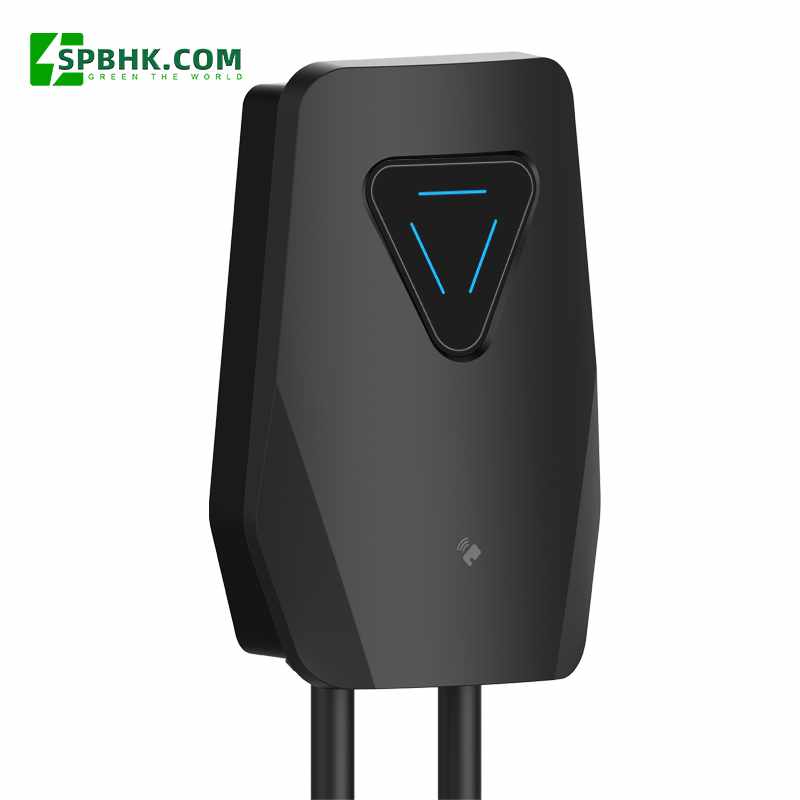
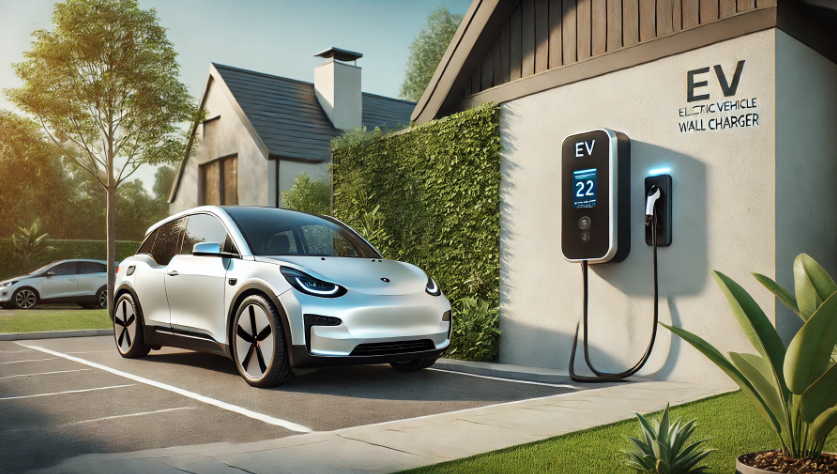
Level 2 chargers are more powerful than Level 1 chargers and are capable of delivering higher charging speeds. These chargers operate on a 240-volt electrical system, similar to the ones used by household appliances like electric dryers or stoves. Level 2 chargers can provide anywhere from 10 to 60 miles of range per hour of charging, significantly reducing charging times compared to Level 1 chargers. They are commonly found in residential settings, workplaces, public parking areas, and commercial charging stations.
DC Fast Chargers:
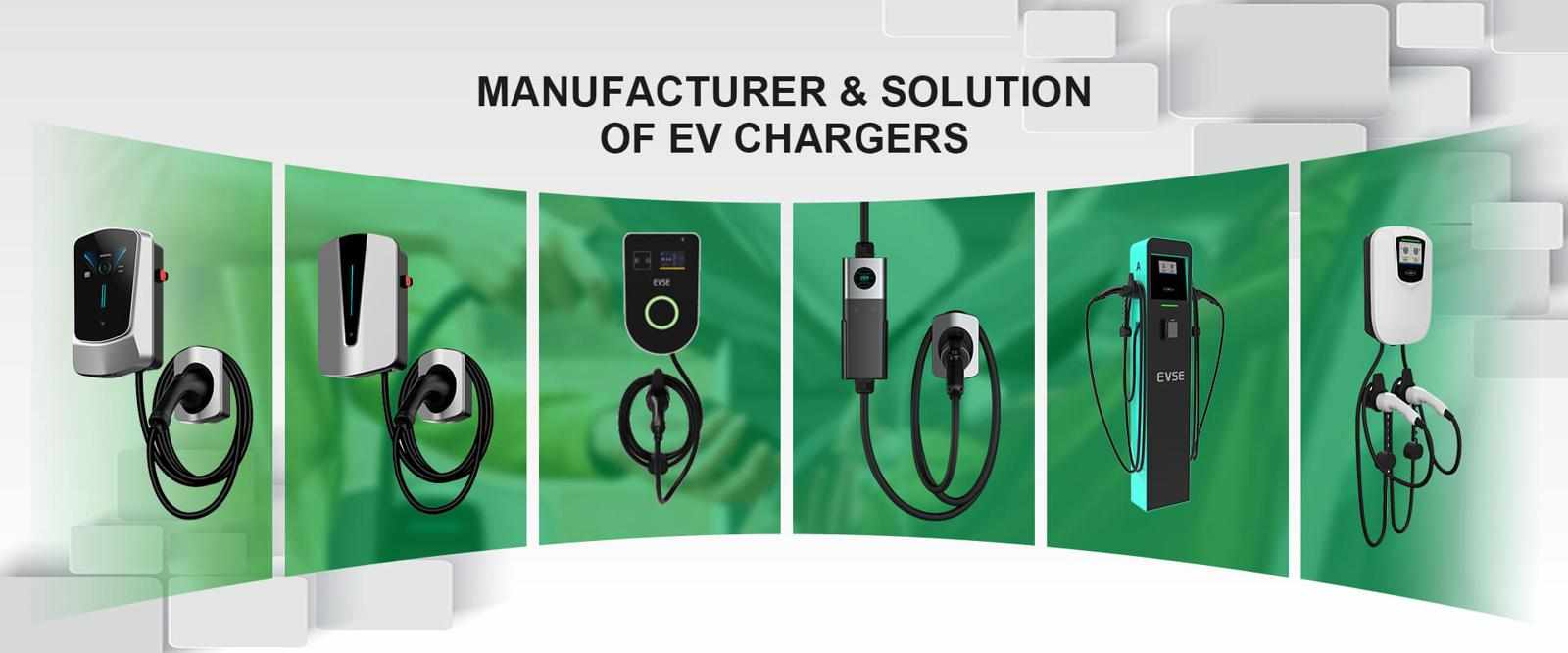
DC Fast Chargers, also known as Level 3 chargers, offer the fastest charging speeds among all EV charging options. These chargers utilize direct current (DC) power to deliver rapid charging, allowing EV owners to replenish their vehicle's battery to 80% or more in as little as 20 to 30 minutes. DC Fast Chargers are typically found along highways, major thoroughfares, and commercial charging networks, catering to long-distance travelers and individuals in need of quick charging sessions. While they offer unparalleled convenience, DC Fast Chargers are more expensive to install and operate compared to Level 1 and Level 2 chargers.
Wireless Chargers:
Wireless EV chargers, also known as inductive charging or wireless charging pads, offer a convenient and hassle-free charging experience. These chargers use electromagnetic fields to transfer energy from the charging pad to a receiver installed in the EV, eliminating the need for physical cables or plugs. Wireless chargers are gaining popularity in residential, commercial, and public settings due to their ease of use and aesthetic appeal. While they may not provide charging speeds as fast as Level 2 or DC Fast Chargers, wireless chargers offer unparalleled convenience, especially for EV owners who prioritize simplicity and ease of use.
Portable Chargers:
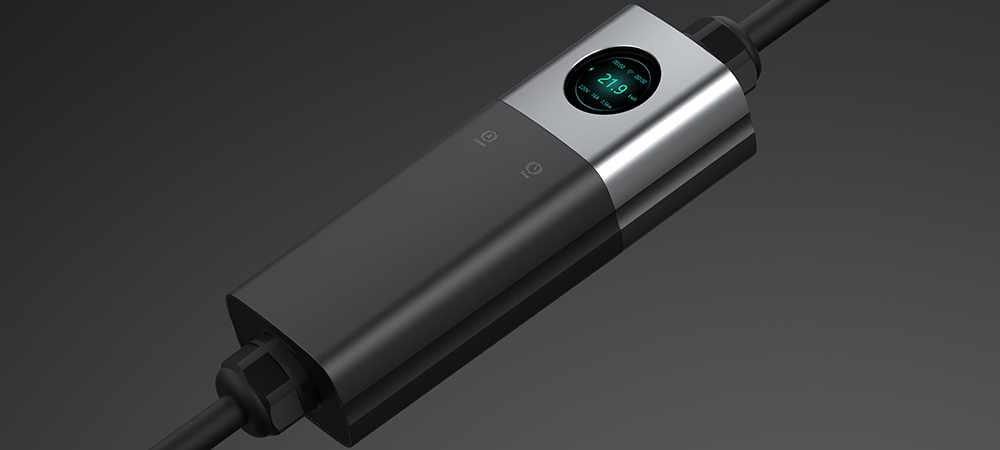
Portable EV chargers are compact, lightweight devices that allow EV owners to charge their vehicles from any standard electrical outlet. These chargers are ideal for emergency situations, long-distance trips, or locations where traditional charging infrastructure is unavailable. Portable chargers typically come with Level 1 capabilities, providing a slow but reliable charging solution when access to dedicated charging stations is limited. While not suitable for everyday use, portable chargers offer peace of mind and flexibility for EV owners on the go.
Conclusion
The types of Best EV chargers vary in terms of charging speed, convenience, and application. Level 1 and Level 2 chargers are suitable for residential and workplace charging, while DC Fast Chargers cater to long-distance travel needs. Wireless chargers offer convenience and aesthetic appeal, while portable chargers provide flexibility in charging options. Understanding the different types of EV chargers enables EV owners and charging station operators to make informed decisions when it comes to deploying charging infrastructure and meeting the diverse needs of the growing EV market.



Write a comment ...