
Purchasing an electric car charger is a significant decision for any electric vehicle (EV) owner. With the increasing popularity of EVs, it's essential to understand the various factors that can influence your choice. Here are some key considerations to keep in mind before making your purchase:
1. Charging Speed
The charging speed of an electric car charger is one of the most critical factors to consider. Chargers are generally categorized into three levels:
Level 1 Chargers: These use a standard 120-volt household outlet and are the slowest, typically taking 20-40 hours to fully charge an EV.
Level 2 Chargers: These require a 240-volt outlet, similar to what a dryer uses, and can charge an EV in 4-8 hours.
Level 3 Chargers (DC Fast Chargers): These are the fastest and can charge an EV to 80% in about 20-30 minutes, but they are usually found at public charging stations and are not typically installed in homes due to their high cost and power requirements.
2. Compatibility
Ensure that the charger you choose is compatible with your EV. Most EVs come with adapters that allow them to work with different types of chargers, but it's always best to check the specifications of both your vehicle and the charger.
3. Installation Requirements
Installing a Level 2 charger at home may require electrical upgrades. You need to check your home's electrical panel to see if it can handle the additional load. A 200-amp panel is generally recommended for homes with EV chargers.
4. Cost
The cost of an electric car charger includes both the price of the unit and the installation costs. Level 1 chargers are the cheapest but offer the slowest charging speeds. Level 2 chargers are more expensive but provide faster charging. Consider both the upfront costs and the long-term savings on charging times and electricity rates.
5. Warranty and Support
Look for chargers that come with a good warranty and customer support. A longer warranty period can provide peace of mind and protect your investment. Additionally, consider the availability of customer support in case you encounter any issues.
6. Portability
If you need the flexibility to charge your EV at different locations, consider a portable charger. These are designed to be easily transported and can be a convenient option for those who travel frequently with their EV.
7. Safety Features
Safety should be a top priority. Look for chargers with features such as overcurrent protection, overvoltage protection, and temperature control to ensure safe charging. High-quality chargers often come with certifications that guarantee they meet safety standards.
8. Cable Length
The length of the charging cable is another important consideration. Ensure that the cable is long enough to reach your vehicle's charging port comfortably. A longer cable provides more flexibility in where you can park your car while it charges.
9. Smart Features
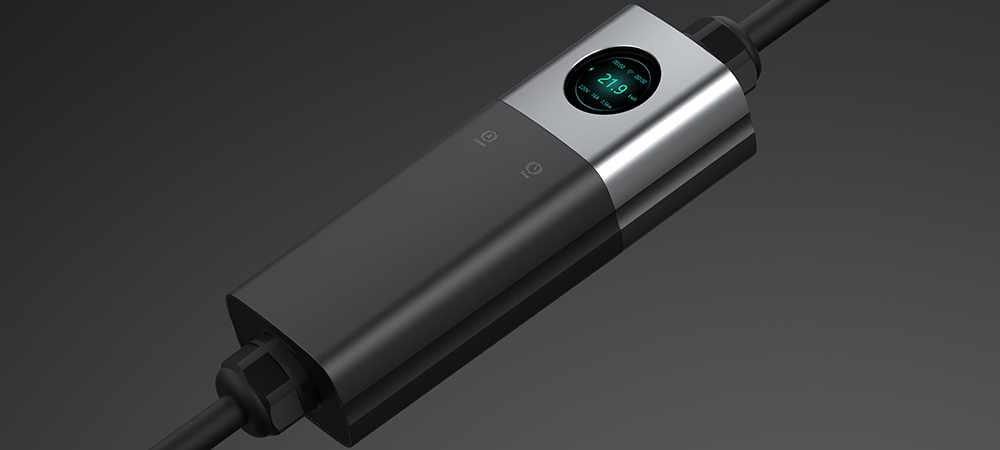
Some chargers come with smart features such as Wi-Fi connectivity, mobile app control, and energy monitoring. These features can provide convenience and help you manage your charging more efficiently.
10. Environmental Impact
Consider the environmental impact of your charger. Some manufacturers offer eco-friendly options that use sustainable materials and energy-efficient technologies. Choosing a charger with a lower carbon footprint can contribute to your overall environmental goals.
By considering these factors, you can make an informed decision and choose an electric car charger that best suits your needs and budget. Happy charging!



Write a comment ...